
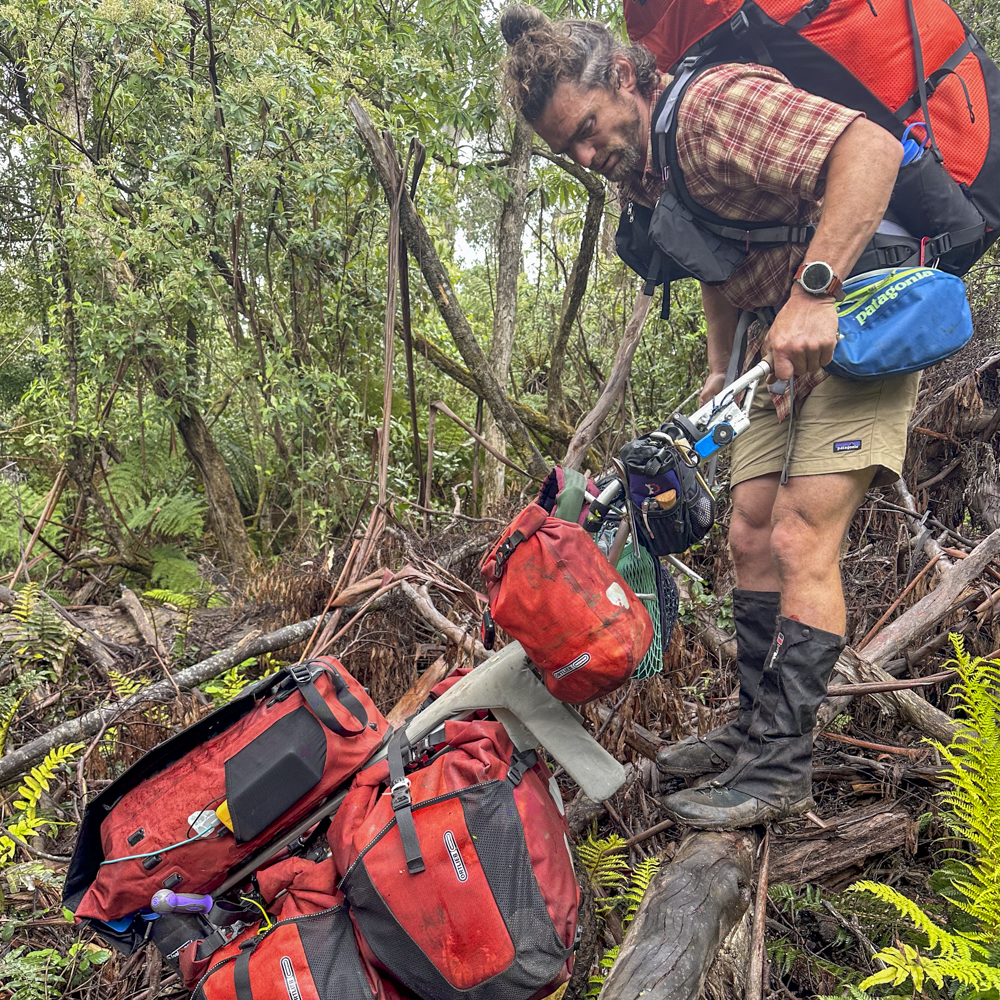
We worked together like a dog sled team to get ourselves, our two kids—Kiah (1) and Indigo (4)—and all our gear up a steep, slippery mountainside. Every few meters, a massive fallen tree would bar the trail. While Indigo and I (carrying Kiah) could clamber over the logs, Pat had to negotiate a one-wheeled cart and the bulk of our gear over every single log. The rain was heavy and the leeches were plentiful.
Surprisingly, our spirits were still high. It was only Day 4 of our 650km Australian Alps Walking Track (AAWT) expedition. Honestly, the kids were loving it. Even though it was undeniably grueling, so were we. This was the remote Victorian Alpine experience we had dreamed about and planned for months.
Then, we did the math.
At the end of that day, we had covered just 4km in eight demanding hours. At this rate, it wouldn’t take us six weeks to complete the 650km trail; it would take us four months.
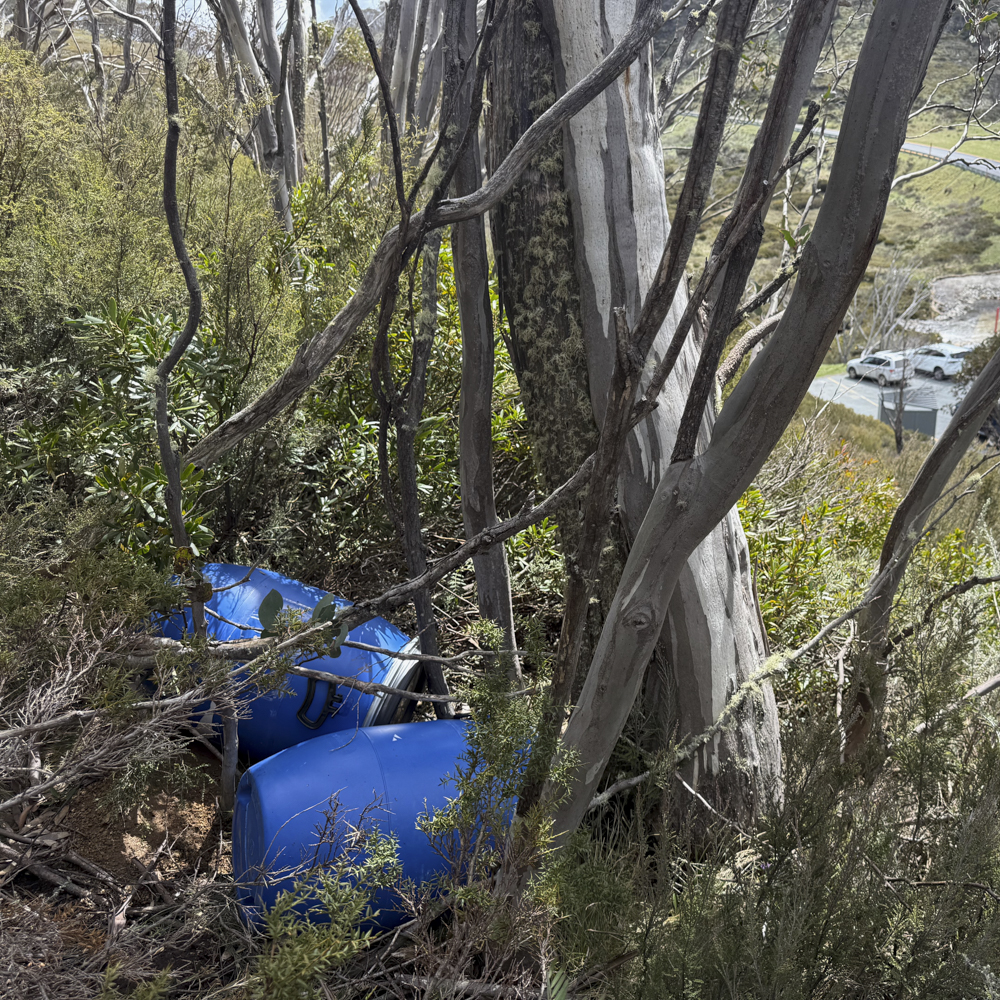
A few weeks before we hit the trail, Pat and Indigo had completed five major food drops along the route. That in itself was a massive logistical feat—planning meals for two adults and two kiddos, broken down into two barrels per drop. Pat had packed special surprises for the kids and “foodie” treats for us (Inca berry chocolate, anyone? Yes, please!).
But four days in, the reality of the terrain hit: we weren’t going to make it to our food drops before the rations on our backs ran out.
We had to revise the plan. Pat headed home to get our vehicle while we pivoted to “testing mode.” We picked up some of the initial food drops and used them to fuel a few multi-night trips in those specific sections of the trail.
We used this time to refine everything. We tested the most efficient way to carry both the gear and the kids. We shedded the food we didn’t need and any personal items that were just dead weight. After two separate three-night “test walks,” we had refined our gear and our rhythm.
By then, we were comfortably managing 10km a day. We realised that if we maintained that pace, we could successfully through-hike the entire 250km Northern Section of the AAWT.
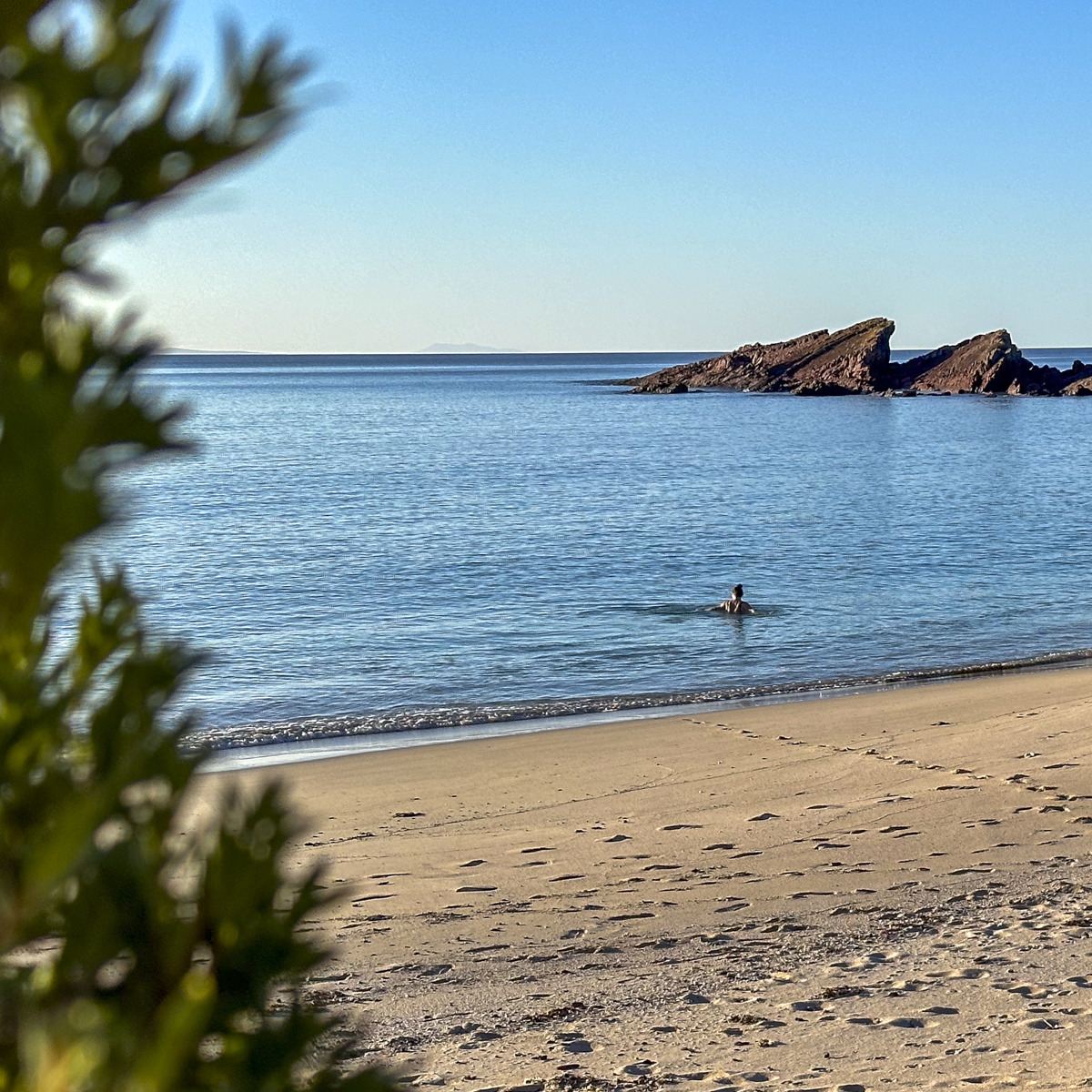
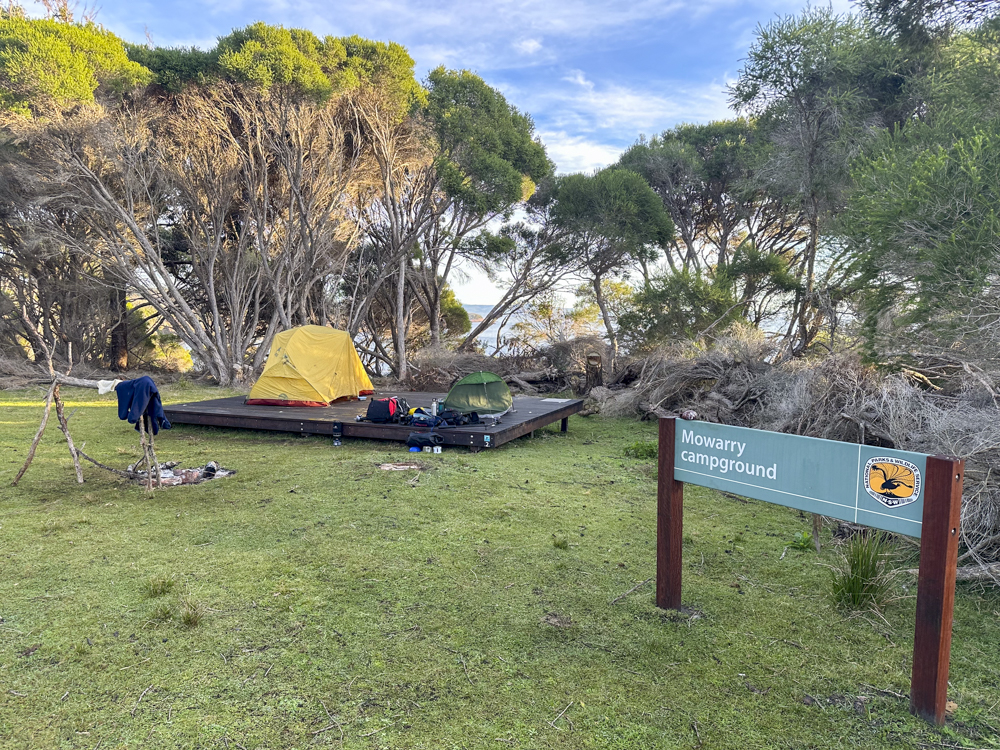
After setting up camp, grab your towel and head down to Mowarry Beach. Seriously, it’s my favourite beach on the whole walk, and a swim in the ocean is the perfect way to finish the day. I’m usually not one for a cold-water dip—I used to live on tropical Christmas Island!—but jumping in the ocean on a sunny, windless winter day was the best feeling. My baby, Kiah, loved playing in the sand, giggling and throwing it everywhere, happy to be out of the carrier. We also saw plenty of kangaroos hanging out on the beach and in the campground. While Mel explored the rocks and pools, I was disappointed to find I had one or two bars of Telstra 5G. I wanted to be “off-grid,” but it was the last reception I’d have for the next two days. We had an InReach Mini 2 to stay in touch with family, so that was our main communication.
The campground has 10 very generous hardwood sleeping platforms—plenty big enough for two two-person hiking tents. The platforms are a great feature; They give you a clean, perfectly flat surface for your gear and tent. There are plenty of attachment points for guide ropes. In hindsight I should have left the tent pegs at home and brought additional tie down rope.
There’s a drop toilet and a small rainwater tank at the campsite. The tank has a water-saving tap, so be patient when filling your bottle—it takes a while. There’s a freshwater creek at the south end of the beach if you need more water.
At night, I was excited to spot a wombat—I always see their droppings but rarely the animal itself! I also saw plenty of kangaroos. I slept so well I didn’t hear any other animals during the night.
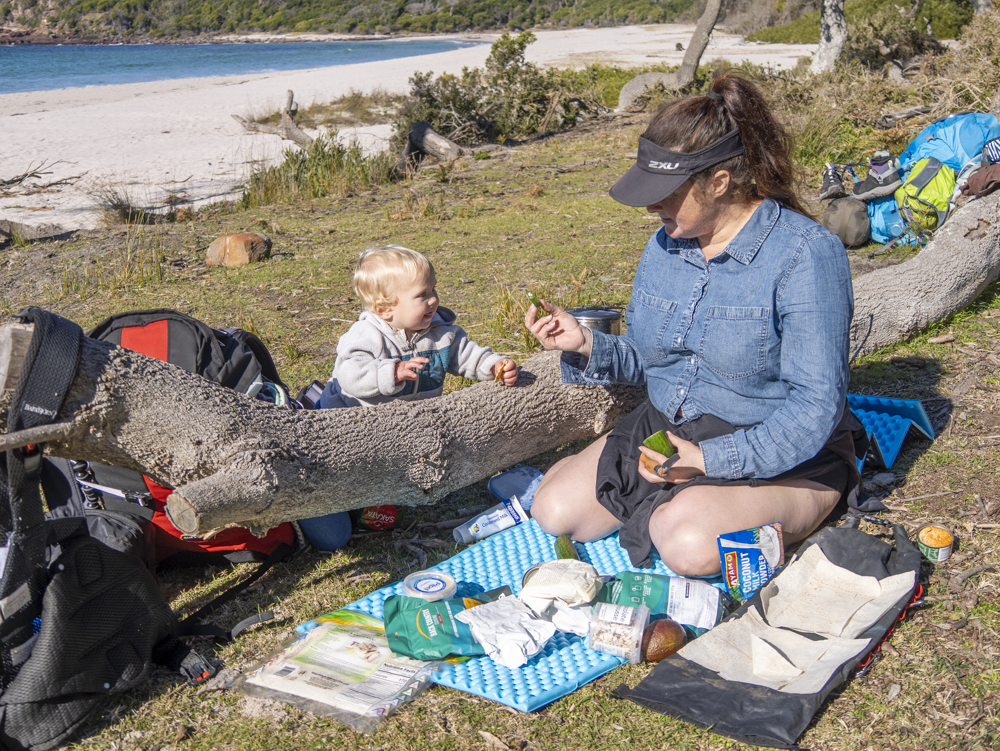
Our 5.5 km hike to Saltwater Creek took us through a stunning variety of landscapes, from dense tea tree forests to wide-open heathlands and dramatic cliffside trails. We had to take off our shoes (and pants) to cross the water at both ends of Saltwater.
Midway through, we stopped for a snack of salted nuts and an apple, a much-needed break for my shoulders, which were feeling the weight of my pack and Kiah. Saltwater Creek was the perfect spot for a relaxed lunch. We had simple wraps filled with Tilba cheddar, avocado, hummus, tinned tuna, cucumber, and capsicum.
The campsite at Saltwater Creek is well-equipped for car campers and walkers, with two freshwater streams, toilets, a sheltered area, a BBQ, and a rainwater tank and 2WD access.
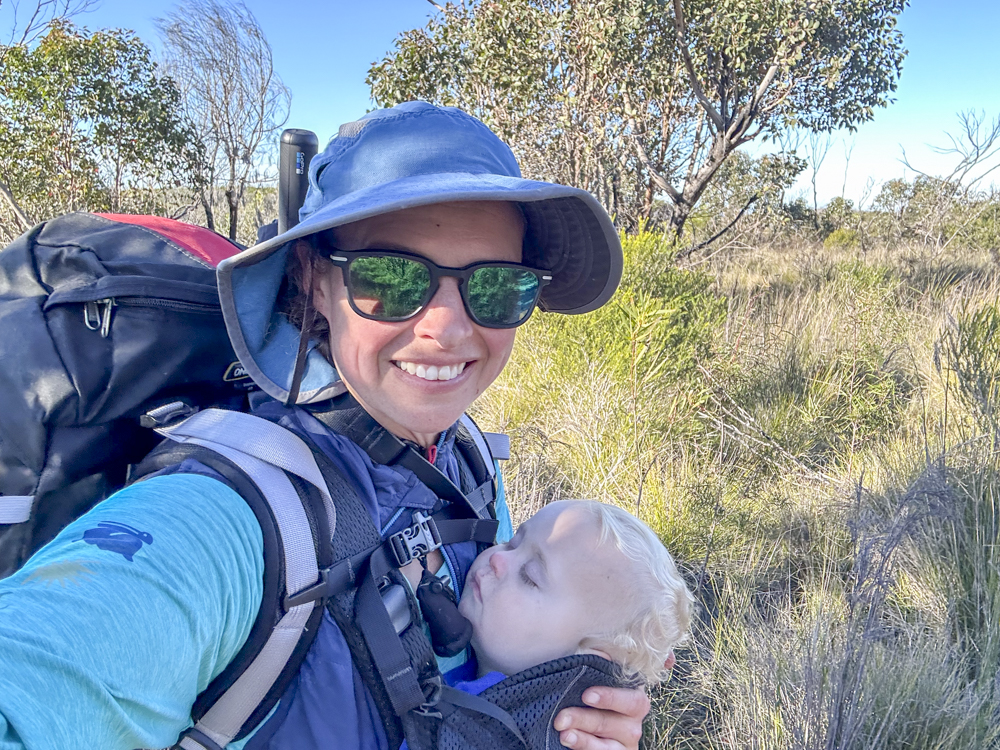
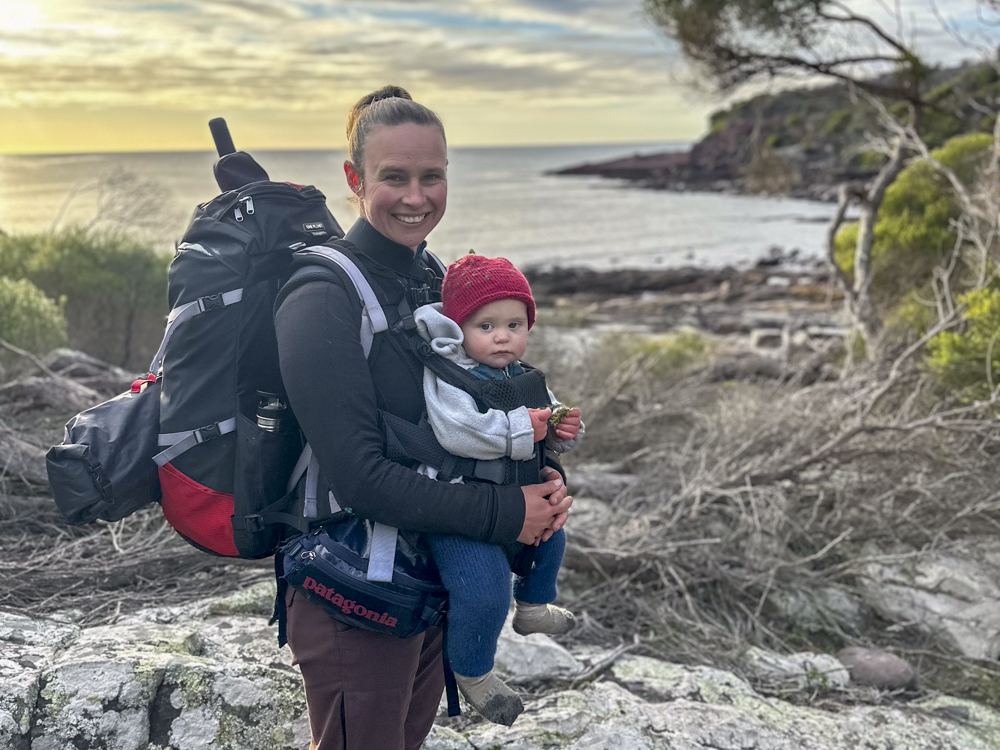
After lunch, Kiah was overtired and needed his day nap. I ended up breastfeeding him to sleep in the carrier while we hiked. Once he was asleep, the rest of the 4 km walk to Hegartys Bay became a meditative journey. We walked in near silence, with only hushed whispers to avoid waking him.
The last part of the walk felt perfect. We were blessed with a sunny 15-degree winter day, which made walking through the exposed heathlands pure bliss—it would have been scorching in the summer. As we neared our destination, the trail surprised us with a rocky gully. With Kiah on my front and a heavy pack on my back, I navigated a small detour through the bush to bypass the scrambling section. It felt like a final challenge before the peace of the campsite.
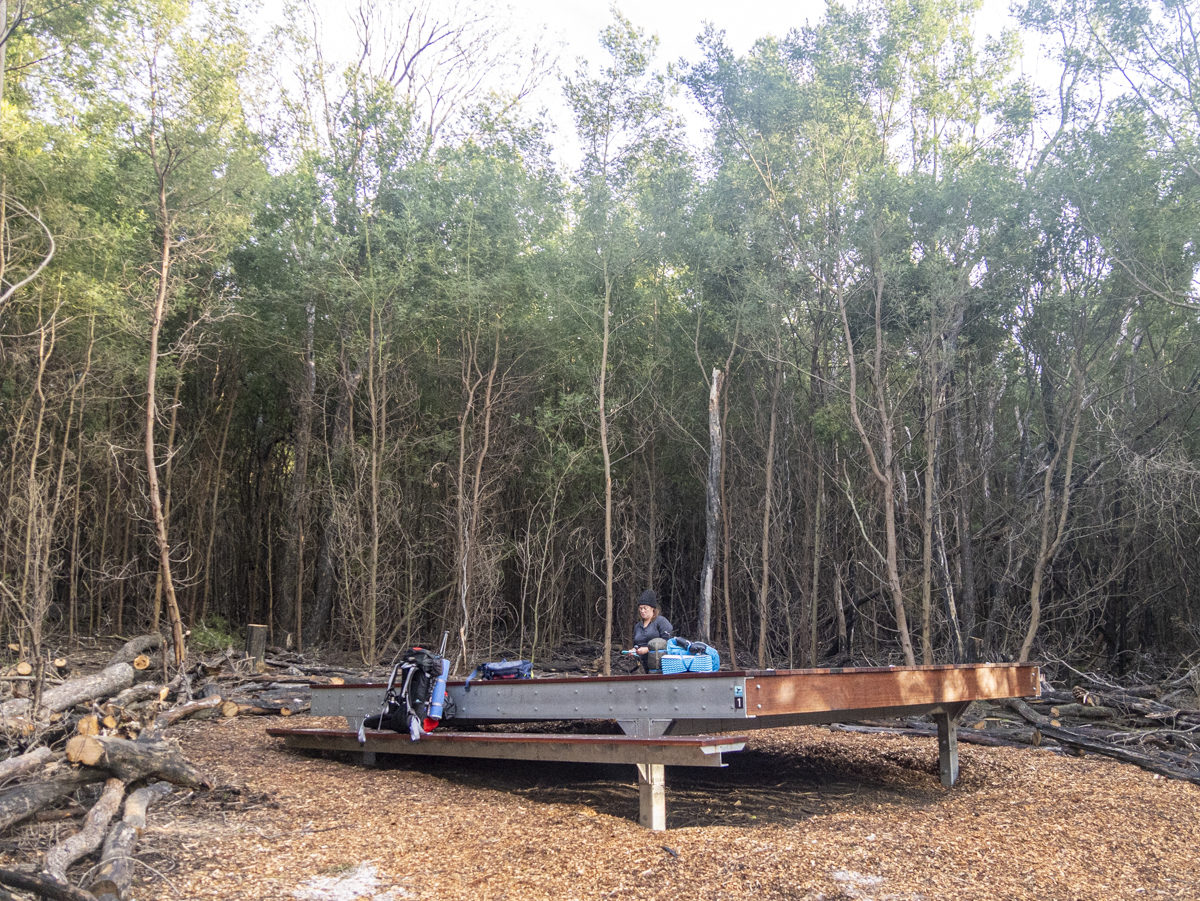
The campground is carved out of thick black wattle that has regrown after the devastating 2020 bushfires. It gives the place an eerie and shady feeling.
If we were to do it again, we’d aim for platform #5 to get the morning sun. The sites are close together, so it could feel crowded if every pad were full. The campground has a drop toilet and a small water tank with a slow water saving tap, but a freshwater stream about 50 meters away.
As the sun set and the temperatures dropped, we settled in for the night. Our dinner was a dehydrated backcountry meal of vegetables and beef with a side of Deb (dehydrated mashed potatoes). It brought back great memories of sailing in the Arctic.
Kiah had a fun before bed throwing our gear off the side of the raised platform. We used our Garmin inReach to let our family know we were safe and to share our plans for the next day, which was a great comfort to have.
The reality of returning home was already starting to set in on our final day. With my 10kg baby and a 15+kg pack, my body was feeling the toll of the last two days. But with the end of our adventure in sight, we were quicker to get up and get moving.
The walk was a beautiful and leisurely one, taking us through open heathlands and along stunning cliff faces. We spotted white-bellied sea eagles soaring overhead. I pointed out Bittangabee Bay to Mel, but had to let her know it was still a bit of a walk as we had to go around the deep bay. The new track sections follow the shoreline more closely, giving us incredible views of the calm, glassy water.
Mel even helped me scout out a good spot to cross a flowing stream, allowing me to keep my shoes dry while balancing with Kiah and my heavy pack. The cloudless, winter sunshine and the absence of other people made it a perfect day for a swim.
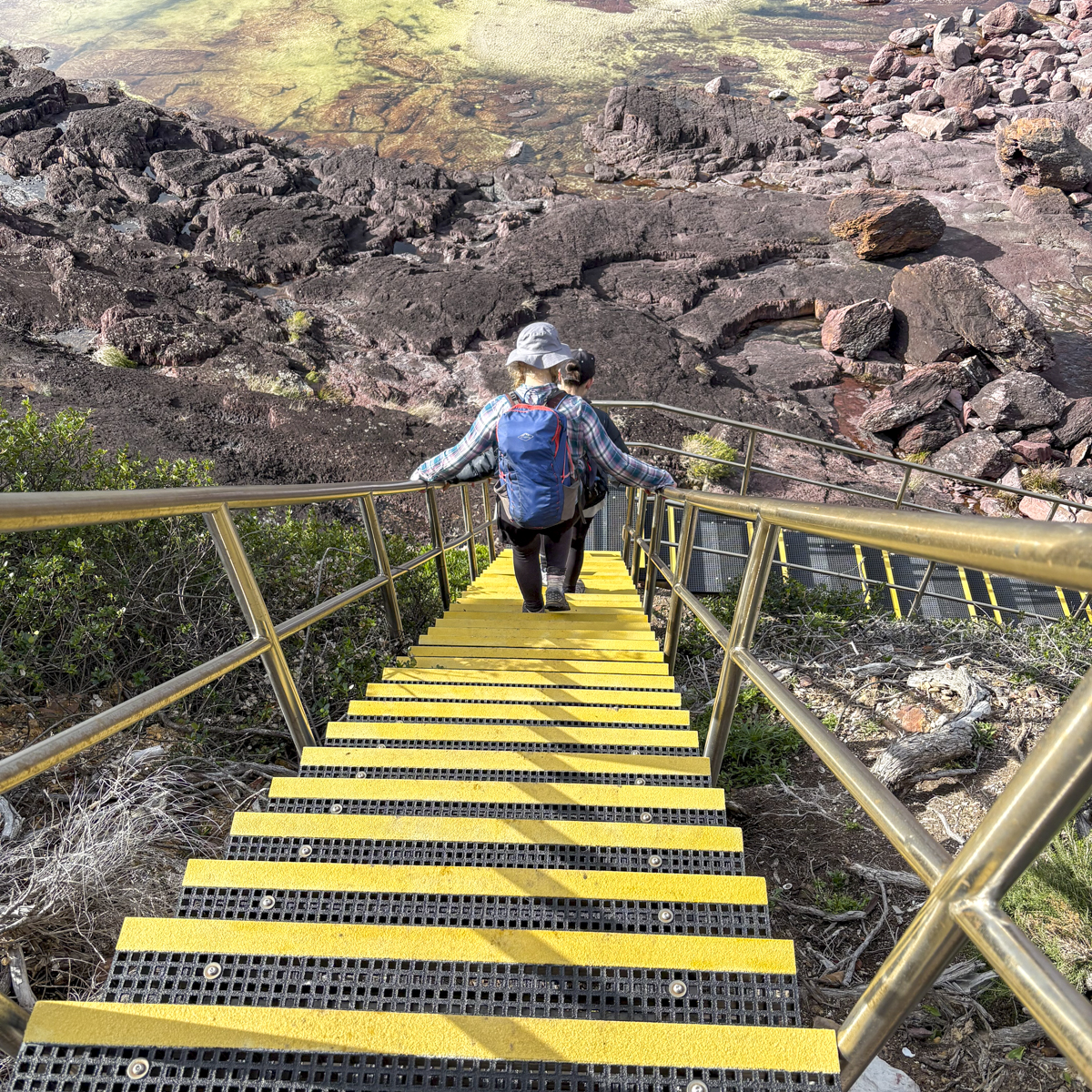
After our swim, we considered the final section of the walk. The new coastal route between Bittangabee and Green Cape that has near 540 steps, or the inland route.
I’ve walked the original inland track many times. It follows the old tramline that was used to transport building materials for the lighthouse. It’s an easy walk through the heathland and one of my favourite parts of the trail, especially with the wildflowers in spring.
Given the weight of my pack and Kiah, I decided to take the inland route. Why make things harder when I could enjoy a more gentle walk? The walk had already given us plenty of coastal views, and the inland path offered a different, equally beautiful perspective.
I feel incredibly fortunate that this walk is right in our own backyard. For my son, Kiah, this was his first time at just 11 months old, and I know it won’t be his last.
This walk packs an amazing amount of diversity into a short distance. You get to experience everything from open heathland and closed-in tea tree forests to sandy beaches, rocky coves, and small creeks—all while spotting local wildlife. Having done this walk in the spring previously, I can also attest to the incredible sight of whales passing by and the landscape coming alive with wildflowers.
The walk itself is at a good, moderate level of difficulty. There are no long, steep climbs, and the sandy sections are manageable. It’s truly an achievable walk for a variety of people. I love how you can tailor the experience to your needs, whether you want to do it as a multi-day hike or break it up into shorter day walks. This flexibility makes it a great choice for all ages, fitness levels, and abilities.
If you’re thinking of doing the Light to Light Walk, my advice is simple: go for it. If you have any questions about the walk or need assistance with transfers, please don’t hesitate to reach out. I hope this was helpful, and I encourage you to get out there and explore!